

History
The Leo story
In 1957 a baseball coach in Pennsylvania asked his Lions club to charter something for the students he coached. Thirty-five of them signed, and the name they gave it still says what the programme is: Leadership, Experience, Opportunity.
- First club
- Abington, 5 December 1957
- Adopted by Lions
- October 1967
- Today
- About 7,200 clubs
Leo Multiple District 306, Lions International
Inspiring Lives
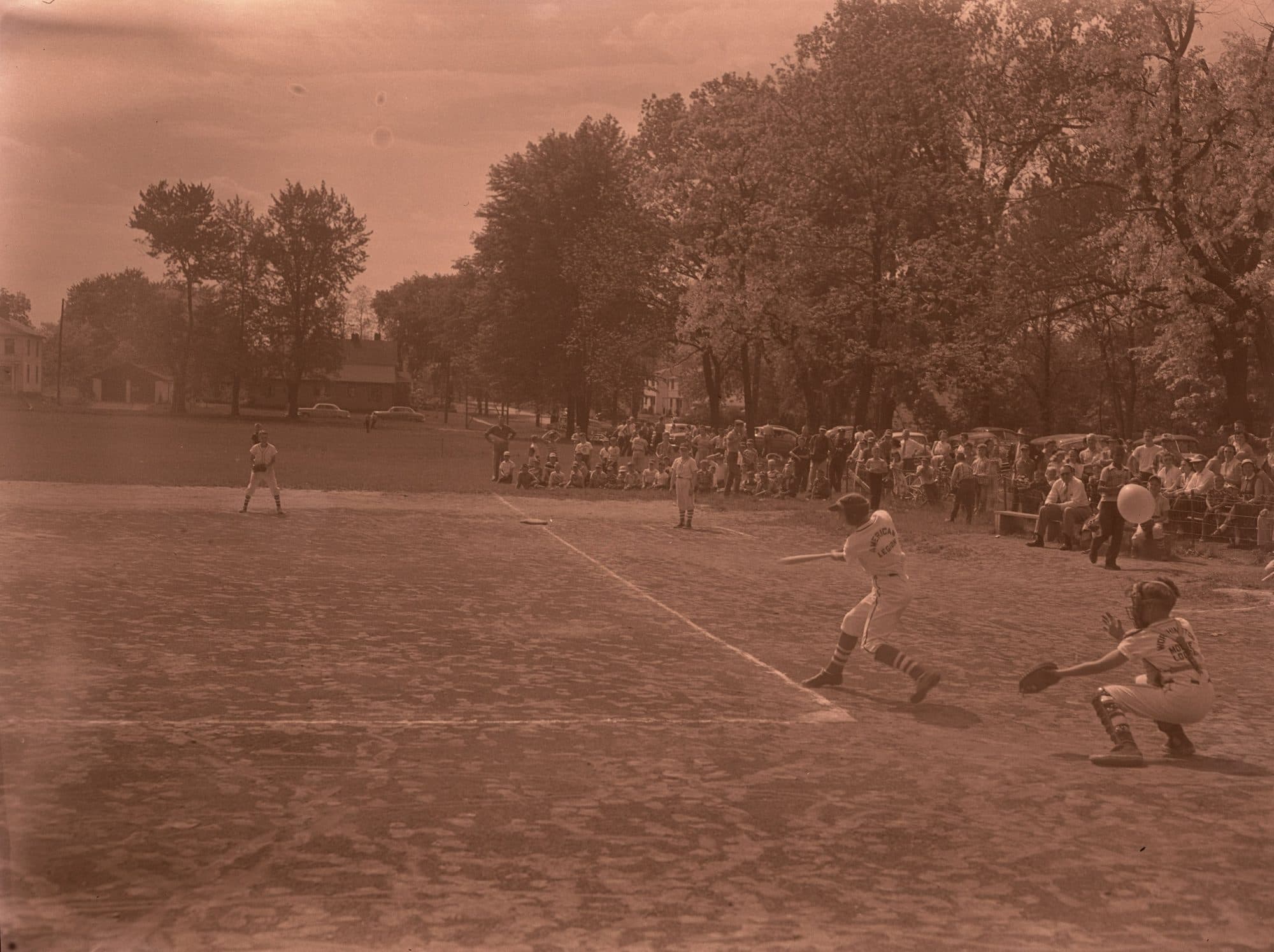
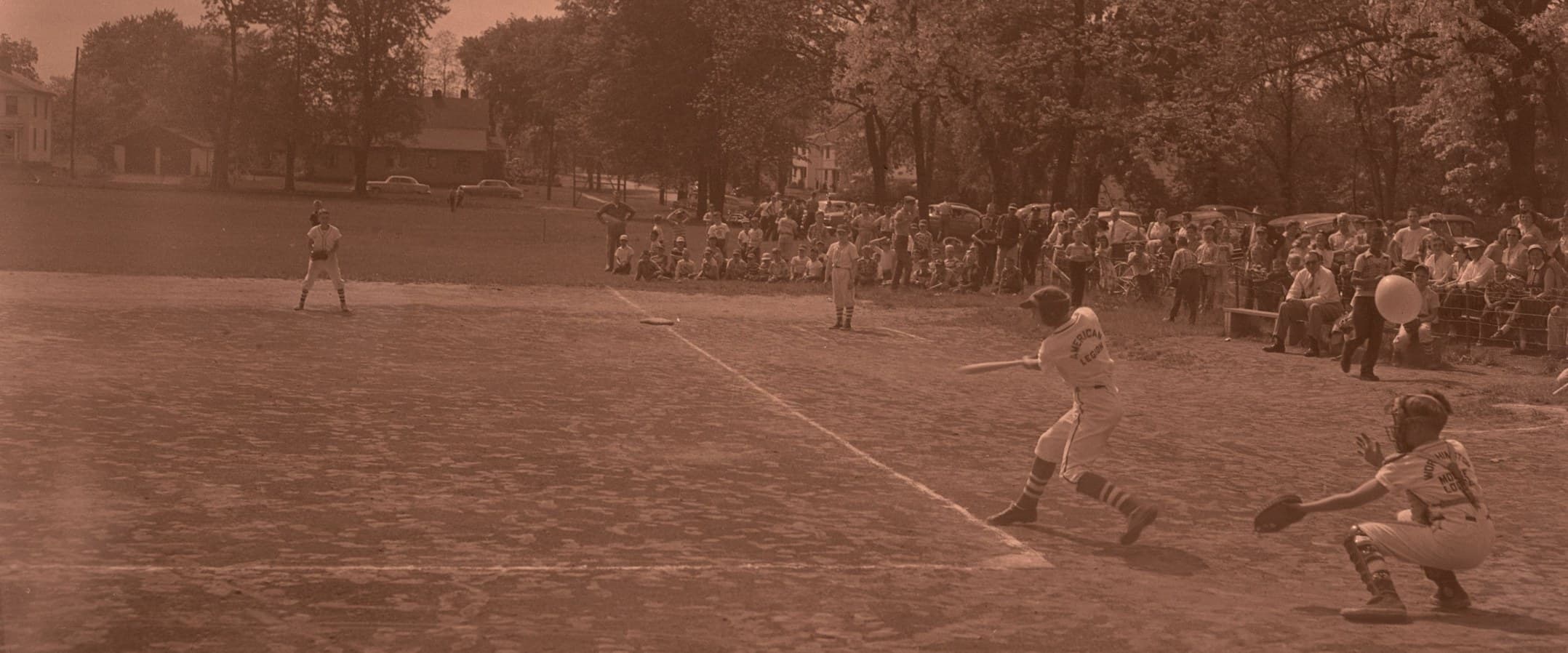
Abington, Pennsylvania, 1957
A coach, and thirty-five students
Jim Graver coached the baseball team at Abington High School, north of Philadelphia, and was a member of the Glenside Lions Club. Service clubs for adults met all over the township. There was nothing of the kind for the students he coached, and no particular reason there could not be.
He put it to his own club with William Ernst, another Glenside Lion, and on 5 December 1957 the Lions chartered a club of thirty-five students at the high school, most of them off his team. It took the school’s colours, maroon and gold, and it took its name from three words.
Leadership · Experience · Opportunity
Three words, and one of them changed
The name is an acronym, and its middle letter has not always stood for the same thing. The students at Abington wrote it Leadership, Equality, Opportunity. Experience replaced Equality later, and that is how Lions Clubs International and every Leo district since have published it.
The three describe what a young person gets out of a Leo club, in the order it arrives: the responsibility of leading a team, the practice of doing the work, and the pathways and the network that are there afterwards. None of them is a concession to the age of the person doing it. A Leo club is not a junior Lions club: it is a club of young people running their own service, with a Lions club behind it.

1964 to 1968
One club becomes a programme
Lions Clubs International took the idea on as a sponsored programme in 1964, and in October 1967 the board made it official. The adoption was less a plan for growth than an acknowledgement of it (there were already more than two hundred Leo clubs in eighteen countries by then), and in the single year that followed, the programme reached 918 clubs in forty-eight.
What the association standardised was the shape, not the work. A club charters on one of two tracks: Alpha, for ages 12 to 18, which runs largely through schools, and Omega, for 18 to 30, in universities and communities. It declares one at charter rather than holding members of both, and on either track it is chartered and backed by a sponsoring Lions club.
What was left alone is the service itself. A Leo club decides what its own community needs, plans it, and finds the money for it. That was true of thirty-five students in Pennsylvania, and it is true of a club chartering in Jaffna or Malé today.
Sri Lanka and the Maldives
Where the programme is now
The Leo Club Program reaches approximately 150 countries: roughly 7,200 clubs and more than 140,000 members. It is open to any young person of good character with an interest in serving their community.
Leo Multiple District 306 is the part of it that covers Sri Lanka and the Maldives, twelve districts between the two. Its own history opens the way this one does, with a team: the Leo Club of Wattala, chartered in 1969 by a group of cricketers. That record (the redistrictings, the club count, the year the movement reached a second country) is kept as a timeline of its own on the About Us page rather than restated here.
The record
The dates, in order
What the chapters above describe, set out as the archive holds it.
1957
Thirty-five students at Abington High School
The Glenside Lions Club chartered the first Leo club in the world on 5 December, at the Pennsylvania high school where Jim Graver coached baseball. Thirty-five students joined, most of them off his team, and the club took the school’s colours, maroon and gold, with it.

Abington Senior High School, Pennsylvania, photographed in 2021. The building has changed; the first Leo club in the world was formed by students here in 1957.Victor Scimitar, Wikimedia Commons · CC BY-SA 4.0 1964
A programme of the association
Lions Clubs International took the Leo Club Program on as a sponsored programme. What one Lions club had done for one school became something any Lions club could do.
1967
Official, and already international
The board of Lions Clubs International adopted the Leo Club Program in October, ten years after Abington. It had already outgrown the country it started in: more than two hundred clubs in eighteen countries.
1968
918 clubs, 48 countries
The year after the adoption outran the decade before it. The programme closed 1968 with 918 clubs across forty-eight countries.
1969 to today
Sri Lanka and the Maldives
Leo Multiple District 306 carries the programme across both countries. It begins with the Leo Club of Wattala in 1969 and runs through the redistrictings that turned one multiple district into the twelve districts of today, set out in full on the About Us page.
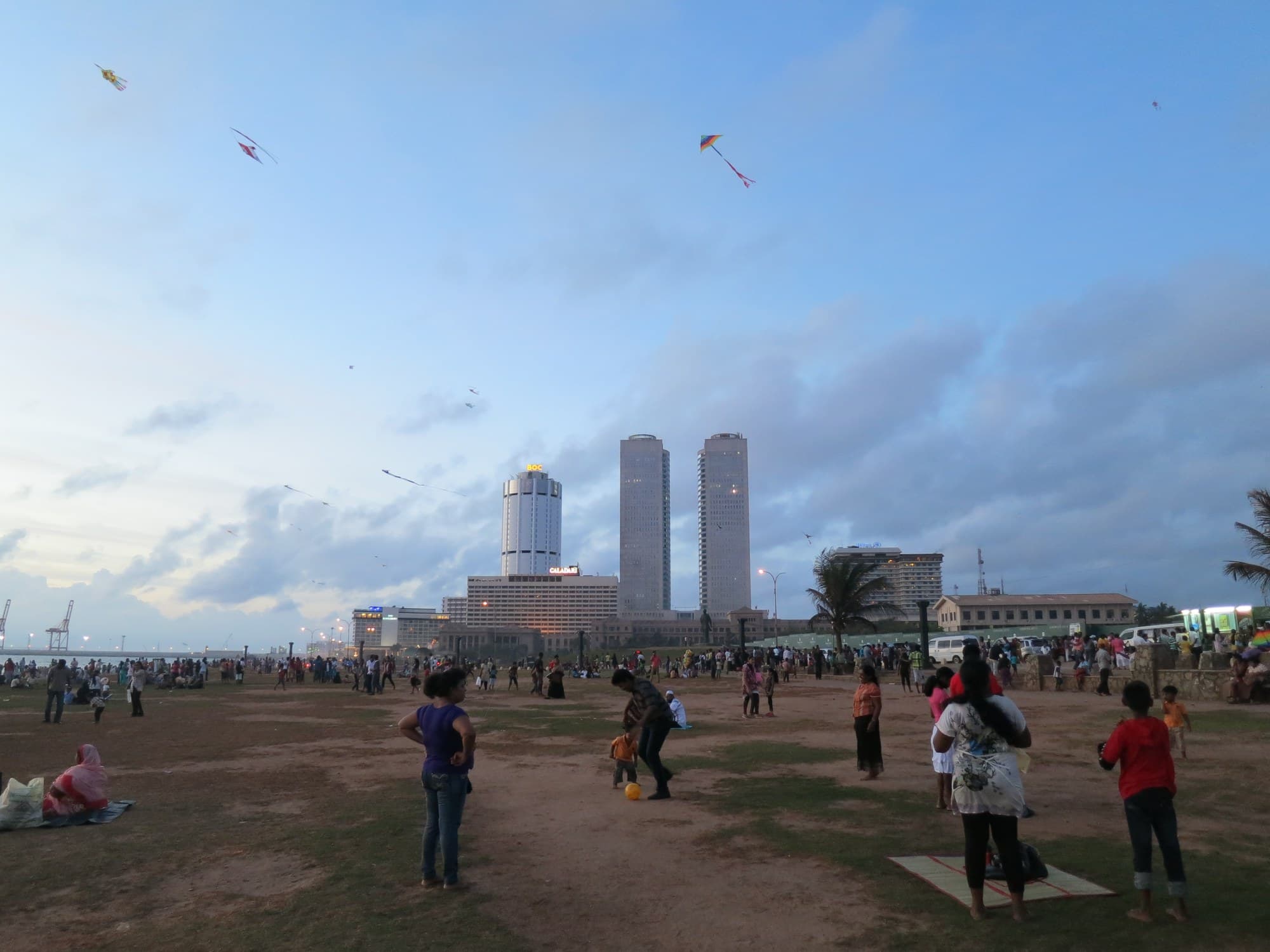
Galle Face Green, Colombo, on a Sunday evening in 2013: kites over the promenade, and the city behind it.Saqib Qayyum, Wikimedia Commons · CC BY-SA 3.0 Today
Roughly 7,200 clubs
The programme reaches approximately 150 countries, with roughly 7,200 clubs and over 140,000 members. Every one of them charters through a sponsoring Lions club and plans its own service.
Where this leads
Every Leo club charters through a sponsoring Lions club, which is where this story starts. Lions Clubs International has been organizing service across borders since 1917.